
Pre-workout supplements boost energy levels in the body and muscle endurance during workouts. Are you tempted to raise your energy level but don’t know the side effects of pre-workout supplements?
Pre-workout supplements have ingredients like guarana, Creatine, Beta-alanine, niacin, and Caffeine, improving muscle power during strenuous exercise.
As much as pre-workout supplements may be beneficial, it is important to know their risks if not used correctly.

According to the “New York Times,” Michael Lee, an Army Private, took a pre-workout and ran for 10 minutes. Unfortunately, he had a Cardiac arrest and died later because pre-workouts raised his heart rate.
It is evident that as pre-workouts can increase the heart rate, combining them with strenuous exercise increases the heart rate.
Here are 13 side effects you might experience when using pre-workout supplements.

13 Side Effects Associated With Pre-workout Supplements

Diarrhea

After taking a pre-workout supplement, you might suffer from diarrhea, constipation, and bloating. Diarrhea is a common problem caused by Creatine.
Sometimes, diarrhea might result from not mixing the powder with sufficient water.
Liver damage

Liver damage is a rare side effect, but it might occur depending on your supplement. The University of Maryland Medical Center discovered that Creatine could damage the liver.
Moreover, taking Pre-workout supplements and a good diet with a high protein level can deteriorate a damaged liver. Workout supplements contain significant amounts of such proteins that harm your health.
High blood pressure

Studies show that Caffeine boosts physical activities. The Journal of Strength and Conditioning discovered that men who took supplements with Caffeine could perform heavy tasks for longer periods than those who did not.
Exercise can increase blood pressure in your body. Pre-workouts can increase your blood pressure further because they have Caffeine and Creatine, which are common causes of high blood pressure. Increased blood pressure increases the risk of peripheral arterial disease, aortic aneurysms, kidney disease, and heart failure.
Stomach upset

You can experience stomach upset from certain workout supplements. A protein powder like whey comes from dairy products and contains lactose sugar.
If your body is intolerant to lactose, you might experience a stomach upset. Magnesium and Creatine can also upset your stomach.
Kidney stones

Did you know that workout supplements contain vitamin D? Studies conducted by the Medical University of Graz in 2011 confirmed that Vitamin D increases testosterone levels.
When there is excess Vitamin D in your body, your intestines will likely absorb extra calcium, which might result in kidney stones. Additionally, Creatine can also increase the risks of kidney stones and damage.
Insomnia

You might experience insomnia after consuming products that contain Caffeine. Caffeine stimulates the central nervous system.
Caffeine has a half-life of 2-5 hours in the body. Metabolism also affects how long Caffeine can last in your system.
If your body takes time to metabolize Caffeine, you are likely to have insomnia,
Moreover, you might experience insomnia and fast heartbeats if you consume workouts that contain yohimbine. Yohimbine is an herbal extract that boosts blood flow and aids in burning fats.
Dehydration

You can also experience excessive sweating and increased body temperature during workouts. Unluckily, taking pre-workout drinks can aggravate dehydration due to the Caffeine they have.
Workout supplements have stimulants that cause dehydration after causing the body to generate excess heat. Dehydration might cause lightheadedness, dizziness, low blood pressure, increased heartbeat, or lethargy.
Caffeine and Creatine in workouts are diuretics. When you take a high dosage of workouts, they are likely to absorb water from your body.
Headaches

Have you ever had a headache or felt tired after using a pre-workout? Most pre-workouts have vasodilator compounds. Such compounds cause your blood vessels to expand.
Dilation of blood vessels in your head might cause a headache.
Itching

If you once used a pre-workout, you must have wondered why you got itchy skin. This is because the amino acid in most pre-workouts is called B-alanine.
B- alanine causes itchy skin due to its complex interaction with the nerves in your skin.
Cardiac problems

If you take more pre-work than the recommended dosage, you might experience cardiac issues. Arduous exercise can increase heart rate. Pre-workouts increase the heart rate further. The increased heart rate might result in cardiac arrest.
Jitters

You might experience a jittery feeling (uncontrollable shaking) after physical activity. Taking a pre-workout can result in twitching due to Caffeine, which excites the nervous system.
Weight gain

Most of us might be tempted to use pre-workouts to lose weight. Surprisingly, pre-workouts might cause weight gain.
Pre-workouts that contain Caffeine also have high levels of carbohydrates. If you don’t watch your calorie intake wisely, you might add more weight than before.
Rhabdomyolysis

Pre-workout supplements increase the risk of developing muscle cramps and Rhabdomyolysis because stimulants cause your body to be hot, which leads to the above health conditions.
The Ultimate Guide to Choosing The Right Pre-workout Supplement
With the superior knowledge of pre-workout downsides, deciding how to make the right choice might be confusing. Which is the best pre-workout supplement?
As you plan to improve your workout results, choose the right pre-workout supplement. Before making any decision, you can ask yourself the following questions.
How Am I Going To Use the Pre-workout?
The kind of training you are going to undertake determines the amount of energy needed. You might be trying to build your muscles or lose body fat.
How Does Your Body React to Stimulants?
You must know your body’s tolerance to stimulants and how they affect your body. If you know this, you are likely to choose the right pre-workout.
Why Do You Need a Pre-workout?
Do you need a pre-workout to help you increase your energy before going to the gym, or do you want energy during the workout?
You will likely know which pre-workout you need by answering the above queries. There are two types of pre-workouts.
Stimulant-based pre-workouts
Stimulants-based pre-workouts are very common. They are packed in small containers weighing less than one pound and serving size of 10 grams.
When you take these pre-workouts, you might experience the feeling of euphoria. It is suitable when you have a tough workout that drains your energy.
You can also use stimulant pre-workouts to get rid of body fat. It helps you to burn calories and sweat more.
Muscle-building pre-workouts
Most people underrate Muscle building pre-workouts because they supply less energy than stimulants. They are commonly packed in big 2-pound jugs and have 20 grams and above.
These workout supplements have a significant dose of components that aid the muscles in building and recovery.
Muscle workout supplements do not need much energy. They can be sipped throughout the workout, unlike stimulant pre-workouts. The most popular pre-workout of this type is Hypershock Rage by Myogenix.
Which Pre-workout Supplement Should You Use?
In choosing the right pre-workout, your tolerance and preference matter. You can have both stimulant-based pre-workout and muscle-based pre-workout.
Stimulant based pre-workouts
Before buying, you must assess and confirm that you can tolerate stimulant-based pre-workouts.
Make sure they have the following ingredients.
- DMAA
- Yohimbine
- Alpha Yohimbine
- Higenamine
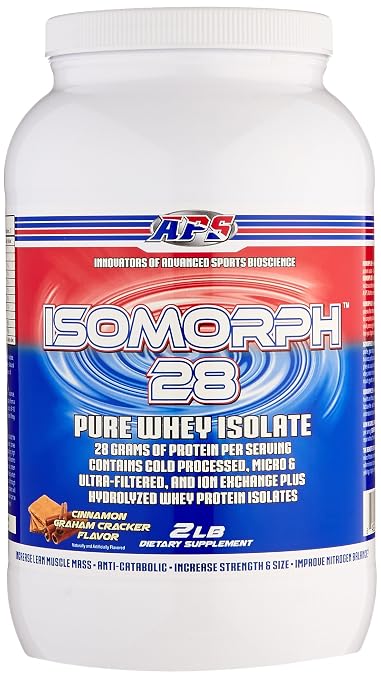
As a high tolerance person to stimulants, pre-workouts with Higenamine like Wild Thing can be the right choice. Another high-tolerance ingredient in stimulant pre-workouts is DMAA, found in APS Nutrition Isomorph.
Ensure you avoid the above pre-workouts if you don’t have a high stimulant tolerance.
Muscle building pre-workouts
If you want muscle-building pre-workouts, you should look for the following ingredients. These elements give your muscles power and strength.
- Taurine
- Any form of Creatine
- BCAAs (Branch chained amino acids)
- Bioactive peptides
- High Glycemic carbs
- Leucic acid
- Arginine
- Citrulline
- Nitrate
- Magnesium
- Zinc
- Glutamine
- Beta-alanine
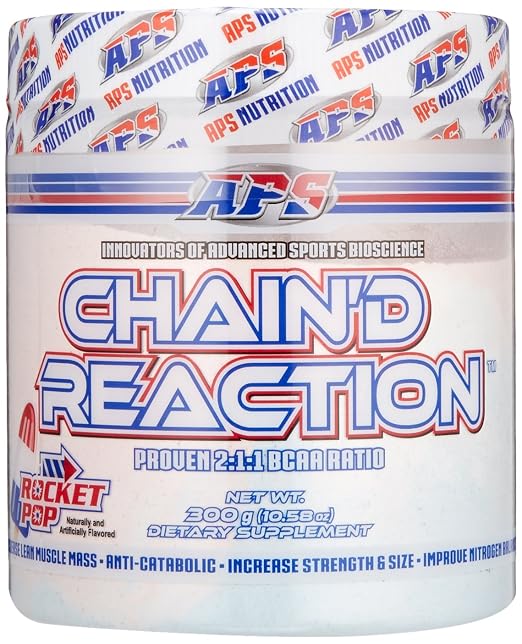
One recommended pre-workout containing the above ingredients is Chain’d Reaction BCAA powder.
Other Things to Put in Mind
When would you like to go to bed after a workout? It is quite hard to fall asleep immediately after taking a stimulant-based pre-workout. Ensure that you take a pre-workout 6 hours before going to sleep.
Consider using pre-workouts with small stimulants like Condense by Puru Labs. If you cannot sleep after a pre-workout, use nitric oxide boosters such as Hype by Black Labs.
Pre-workout side effects can be dangerous, but you will be okay using them correctly as recommended.
Did you enjoy the list? It is crucial to take the proper pre-workout before going for a workout. Find out what your body can tolerate and what it can’t to avoid problems.
FAQs
Here’s the list of the most frequently asked questions regarding the pre-workout supplement.
Can pre-workout cause fever?
No, pre-workout doesn’t cause a fever. However, your condition can worsen if you are already suffering from a fever. It increases the risk of dehydration if you are already feverish. While suffering from fever, it decreases muscle strength.
Furthermore, there is a greater risk of getting caught in injuries. Therefore, it is best to skip the gym when feeling sick.
Does pre-workout cause kidney stones?
Many ingredients in supplements cause pre-workout side effects. However, it’s noted in extremely rare cases. Moreover, when you start building a stronger body, there are other factors.
Some pre-workouts contain excessive vitamin C quantity in them. That leads to stone formation in the kidneys. Therefore, the answer is both. Pre-workout can and cannot cause kidney stones.
Does pre-workout raise body temperature?
Yes, pre-workout raises body temperature. It takes 15-20 minutes to show the effect on the body. Moreover, workouts and temperature also contribute to raising body temperature. The body sends more blood under the skin to cool the system for proper circulation.
Eventually, that leaves less blood under the skin. As a result, you notice an increase in body temperature and heartbeat. However, you don’t need to worry. It is one of the most common supplement side effects.
Great blog Lana!